The Best Polishing Pads for Beginners
Entering the world of automotive detailing can be both exciting and overwhelming, especially when faced with the myriad of polishing pads available on the market. For beginners, understanding the differences between foam, microfiber, and wool pads is crucial for achieving desired results without causing damage to the paint. Each type of pad has unique characteristics that make it suitable for specific tasks, and selecting the right one depends on factors such as paint condition, the type of machine polisher being used, and the level of correction needed.
This article provides a comprehensive overview of polishing pads for beginners, focusing on the three main categories: foam, microfiber, and wool. By explaining how each pad interacts with the paint and polisher, we aim to equip novices with the knowledge to make informed decisions. Whether you are looking to remove light swirl marks or tackle deeper imperfections, understanding pad properties will help you approach your detailing projects with confidence and precision.
It is important to note that the information presented here is for educational purposes and should be adapted to your specific situation. Always test products and techniques on a small, inconspicuous area first, and consider consulting a professional if you are unsure. With practice and careful observation, you can develop the skills to select and use polishing pads effectively.
Understanding Foam Polishing Pads
Foam pads are the most common choice for beginners due to their user-friendly nature and wide availability. They are typically made from open-cell foam, which allows for heat dissipation and even distribution of polish across the surface. Foam pads come in various colors, each indicating a different level of aggressiveness, from cutting to finishing. For instance, a yellow or orange foam pad might be used for cutting, while a black or blue pad is designed for finishing. This color-coding system helps users quickly identify the appropriate pad for their task, though it is not universal across brands.
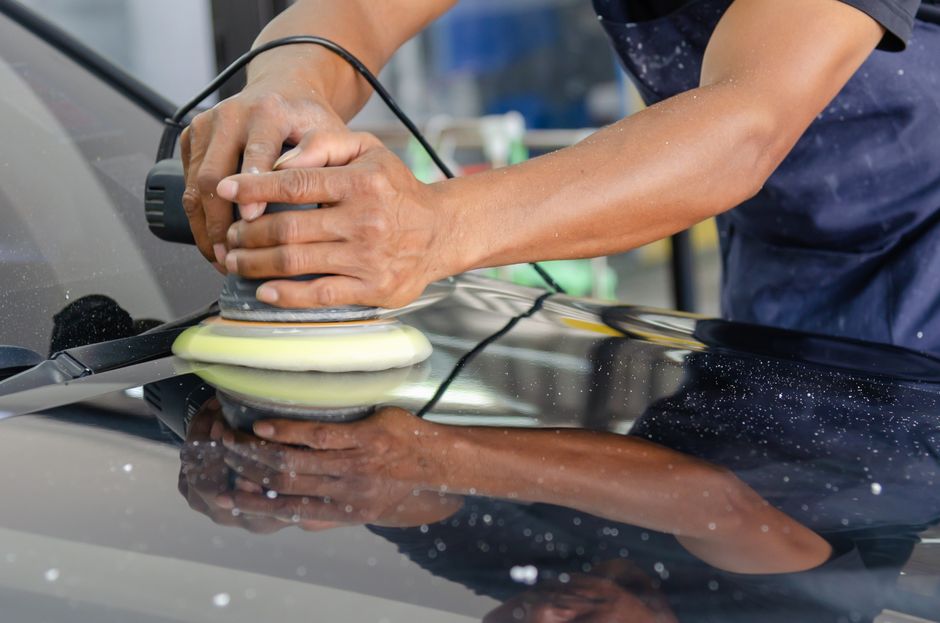
One of the key advantages of foam pads is their ability to provide a consistent finish with minimal risk of marring the paint when used correctly. They work well with dual-action (DA) polishers, which are often recommended for beginners because their random orbital movement reduces the chance of causing swirl marks or burning through the paint. However, foam pads can generate heat, and excessive pressure or speed can lead to pad failure or paint damage. Therefore, it is essential to use moderate speed settings and let the polisher do the work.
When selecting a foam pad, consider the condition of your paint. For light oxidation or fine swirls, a polishing or finishing foam pad is usually sufficient. For moderate defects, a cutting foam pad may be necessary. It is also important to match the pad size to the polisher; common sizes include 5.5-inch and 6.5-inch diameters. Smaller pads are easier to control and are ideal for beginners. Additionally, foam pads require regular cleaning to prevent polish buildup, which can affect performance.
Microfiber Polishing Pads: Benefits and Applications
Microfiber pads have gained popularity in recent years for their ability to cut like a wool pad while finishing like a foam pad. They consist of a microfiber material attached to a foam interface, which provides both cutting power and a smooth finish. The microfiber strands lift and trap polish and removed paint, reducing the chance of clogging and allowing for longer working times. This makes microfiber pads particularly effective for paint correction on medium to hard paints.
For beginners, microfiber pads can be a great option when paired with a DA polisher, as they offer a good balance between cutting ability and finish quality. However, they may require a bit more skill to use effectively because they can generate more heat than foam pads. It is advisable to use them at moderate speeds and with light pressure. Microfiber pads are also known for their durability and can be washed and reused multiple times if properly maintained.
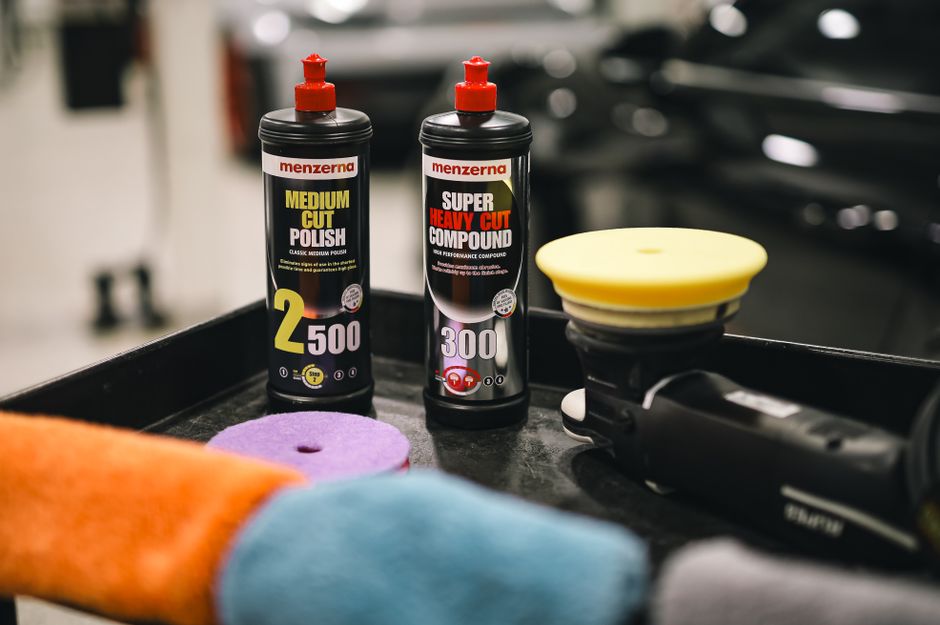
When using microfiber pads, it is important to choose the right polish. A compound or heavy polish might be used for cutting, while a finishing polish can be used for final refinement. Keep in mind that microfiber pads can sometimes leave a slight haze on soft paints, so a final pass with a foam finishing pad might be needed. As with any pad, always test on a small area first to ensure compatibility with your paint system.
Wool Polishing Pads: When and How to Use Them
Wool pads are traditionally used for heavy cutting and are often associated with rotary polishers, which are more aggressive than DA polishers. They are made from natural or synthetic wool fibers and are capable of removing deep scratches, severe oxidation, and other significant paint defects. However, their aggressive nature means they can quickly remove clear coat and are generally not recommended for beginners unless under expert guidance.
For those who choose to use wool pads, it is crucial to use them with a rotary polisher at low speeds and with a light touch. Wool pads can generate a lot of heat, and improper use can lead to paint burns or holograms. They also require a skilled technique to avoid leaving swirl marks. In recent years, lambswool and foamed wool pads have been developed to offer a gentler option, but they still demand respect and caution.
Wool pads are best suited for experienced detailers or for specific tasks such as removing wet sanding marks. If you are a beginner, it is advisable to start with foam or microfiber pads and gain experience before moving to wool. If you do decide to use wool, consider using a DA polisher with a wool pad designed for that machine, as this can reduce the risk of damage. Always follow the manufacturer’s recommendations and use appropriate personal protective equipment.
Matching Pad Type to Paint Condition and Polisher
Selecting the right polishing pad involves assessing both the paint condition and the type of polisher you are using. For beginners, a dual-action polisher is often the tool of choice due to its safety and ease of use. When using a DA polisher, foam and microfiber pads are generally the most compatible. Foam pads are excellent for finishing and light polishing, while microfiber pads can handle moderate correction. Wool pads can be used with a DA polisher if they are specifically designed for that purpose, but they are less common.
Paint condition is another critical factor. Light swirl marks and haze can often be addressed with a polishing foam pad and a fine polish. Moderate defects, such as water spots and medium scratches, may require a cutting foam pad or a microfiber pad with a compound. Severe defects, like deep scratches or oxidation, might call for a wool pad and a rotary polisher, but this is typically beyond the scope of a beginner. It is always best to start with the least aggressive method and test incrementally.
Additionally, consider the hardness of your paint. Soft paints tend to mar easily and may finish better with foam pads, while hard paints may require the cutting ability of microfiber or wool. Research your vehicle’s paint type if possible, or perform a test spot to gauge how the paint reacts to different pads and polishes. Remember that pad selection is not one-size-fits-all; it requires experimentation and adjustment based on observed results.
Tips for Beginners: Best Practices and Safety
As a beginner, it is essential to prioritize safety and education over speed. Start by thoroughly washing and decontaminating your vehicle to ensure a clean surface. Gather the necessary supplies, including a polisher, pads, polishes, microfiber towels, and personal protective equipment such as safety glasses and a dust mask. Work in a well-lit area to easily see your progress and any potential issues.
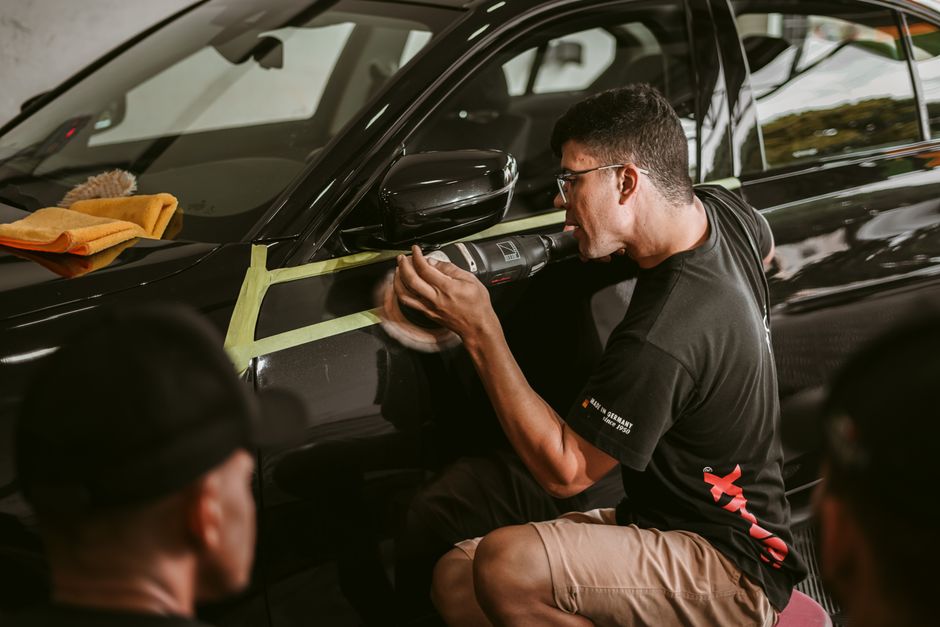
Before polishing, perform a test spot on a small, inconspicuous area, such as a door jamb or under the trunk lid, to determine the appropriate pad and polish combination. Use masking tape to protect trim and edges. When polishing, keep the pad flat against the surface and use overlapping passes at a moderate speed. Do not apply excessive pressure; let the machine and pad do the work. Clean your pads regularly to prevent buildup and ensure consistent performance.
After polishing, wipe off any residue with a clean microfiber towel and inspect the results. If you notice holograms or marring, you may need to refine with a less aggressive pad and polish. Always store your pads in a clean, dry place to prevent contamination. For those in the United States, products from reputable brands like Prime Detail can offer reliable options, but always verify compatibility with your specific needs.
Ultimately, becoming proficient with polishing pads takes time and practice. By understanding the characteristics of foam, microfiber, and wool pads and how they interact with different paint conditions and polishers, you can develop a workflow that yields satisfactory results. Remember that detailing is a skill that improves with experience, and there is always more to learn.