Winter Car Care: Protecting Your Paint from Salt
Winter driving exposes a vehicle’s exterior to a range of environmental factors that can affect its appearance and condition over time. Among these, road salt—commonly applied to improve traction on icy surfaces—can pose particular challenges for painted surfaces and undercarriage components. Understanding how salt interacts with automotive finishes is a first step toward developing a maintenance routine that supports long-term preservation.
Road salt, typically composed of sodium chloride or alternative chloride-based compounds, can remain on surfaces long after a snow event. When combined with moisture, it forms a brine that can cling to metal and painted areas. While modern automotive paint systems include clear coats and corrosion-resistant primers, extended exposure to salt without periodic removal may gradually reduce the effectiveness of these protective layers. This article outlines practical strategies that can be incorporated into a seasonal care regimen, focusing on waxing, undercarriage washing, and ceramic coating maintenance.
Prevention and regular attention remain the most reliable approaches to minimizing salt-related wear during winter months.
Understanding Salt’s Impact on Automotive Paint
Road salt is not a single substance; it can include various chloride salts, sometimes mixed with sand or other abrasives for traction. When these materials accumulate on a vehicle, they can create an environment where moisture is retained against the paint surface. Over time, this may contribute to the breakdown of wax layers or sealants, leaving the clear coat more exposed to environmental contaminants. In areas where temperatures fluctuate above and below freezing, the repeated cycle of wetting and drying can intensify these effects. The undercarriage, wheel wells, and lower body panels are particularly vulnerable because they receive direct spray from tires and road surfaces. Even if the visible paint appears unaffected, salt-laden moisture can seep into seams and crevices, potentially affecting metal components that are less accessible for routine cleaning. Recognizing these dynamics helps in planning a proactive care schedule rather than reacting only after damage becomes apparent.
How Salt Interacts with Different Paint Protection Products
Wax, sealants, and ceramic coatings each offer varying degrees of sacrificial protection. Traditional carnauba waxes can provide a barrier that temporarily repels water and contaminants, but they may degrade more quickly under winter conditions. Synthetic sealants often offer improved durability and resistance to chemicals, including road salts. Ceramic coatings, which form a semi-permanent bond with the paint, create a hydrophobic surface that can facilitate easier cleaning and reduce the adhesion of salt and grime. However, no product eliminates the need for periodic washing, especially in regions with heavy salt use. The choice of protection should consider the vehicle’s exposure, storage conditions, and the owner’s willingness to perform regular maintenance. In some cases, combining products—such as a ceramic coating topped with a wax or sealant—may offer additional layers of defense, though compatibility should always be verified.
Pre-Winter Preparation: Waxing and Sealing
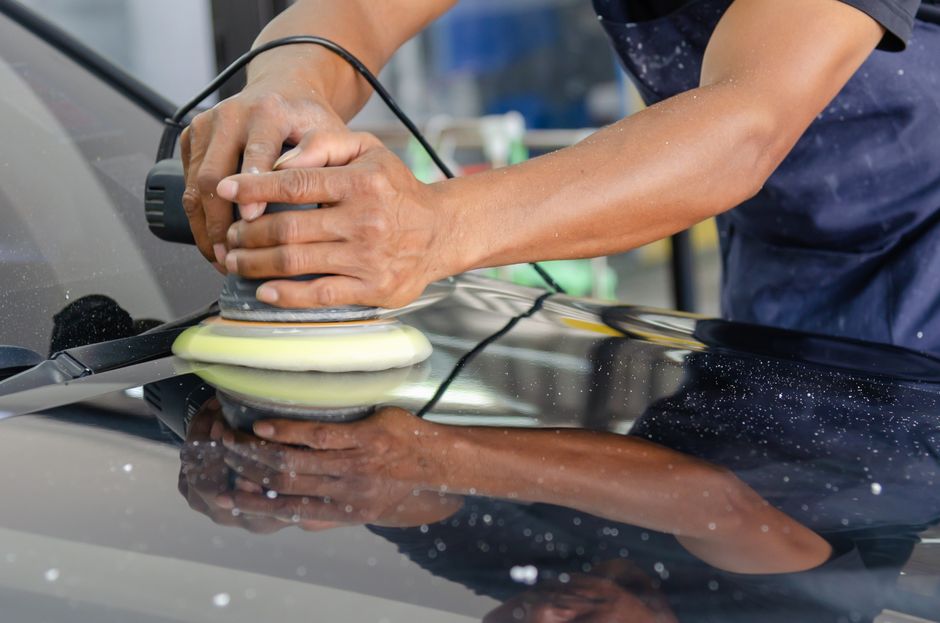
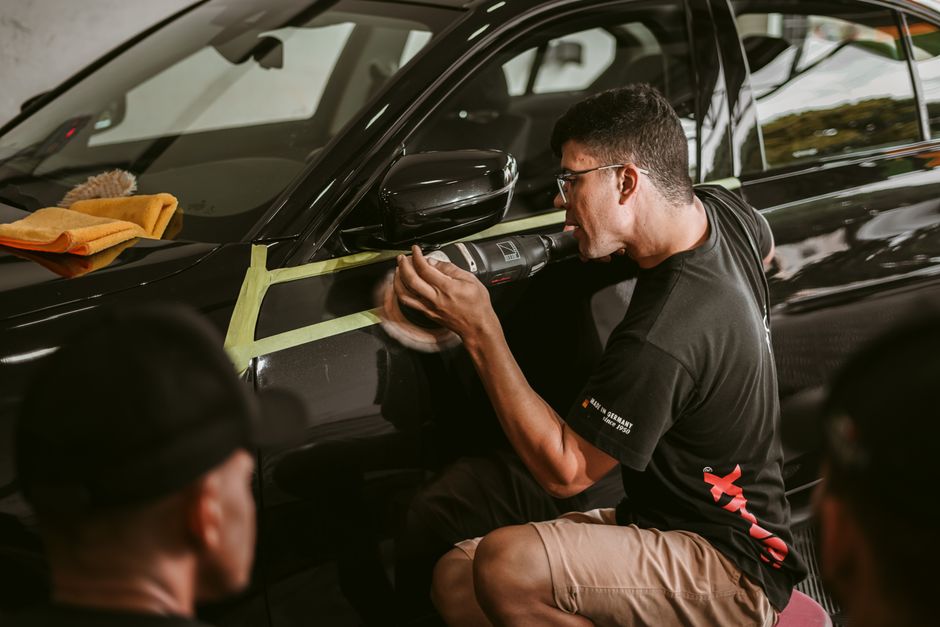
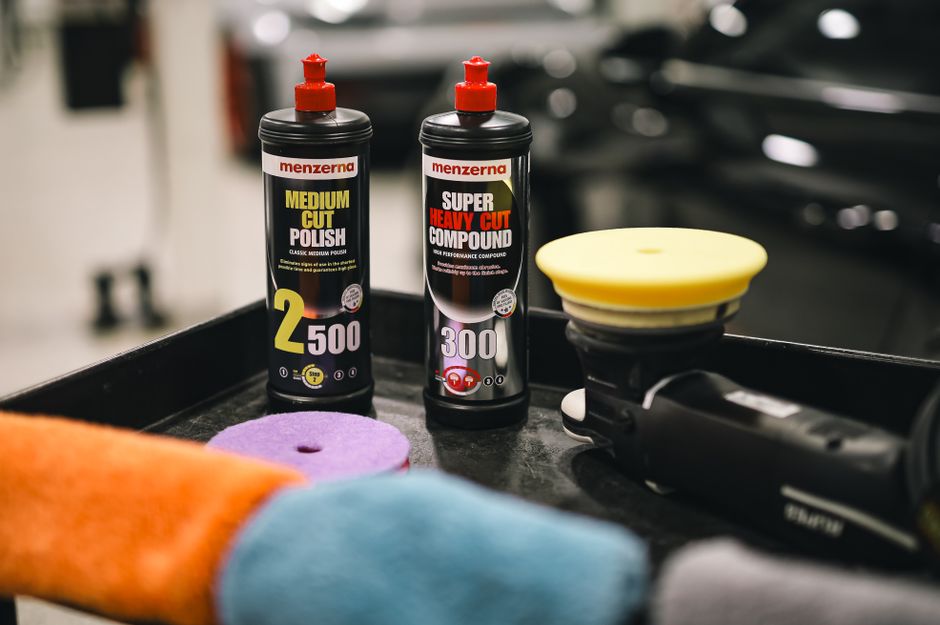
Before the first snowfall, applying a fresh layer of wax or sealant can establish a foundation for winter protection. This step is often recommended because it creates a hydrophobic surface that can help prevent salt and brine from bonding strongly to the paint. A clean surface is essential; any existing contaminants should be removed using a proper wash and, if necessary, a clay bar treatment to ensure the protection product adheres correctly. For those using traditional wax, a paste or liquid formula can be applied by hand or with a dual-action polisher, following the manufacturer’s instructions for cure time. Sealants typically require a similar process but may offer longer durability. It is important to note that even the most durable wax or sealant will eventually wear away, so planning for mid-winter reapplication may be beneficial in harsh climates. The frequency of reapplication depends on factors such as mileage, parking environment, and the specific product used. Keeping a record of application dates can help in maintaining a consistent schedule.
Techniques for Effective Wax Application
Applying wax or sealant in a controlled environment, such as a garage, can improve results by avoiding extreme temperatures and direct sunlight. The vehicle should be thoroughly dried before application to prevent water spots or dilution of the product. Using a foam applicator pad, work the product into the paint in small sections, allowing it to haze before buffing off with a clean microfiber towel. For sealants, a thin, even coat is generally sufficient; thicker layers do not necessarily provide more protection and can be difficult to remove. Pay attention to edges, emblems, and panel gaps where product residue might accumulate. After application, allow the recommended cure time before exposing the vehicle to moisture. If the vehicle is driven regularly in winter, a spray wax or quick detailer can be used as a booster between full applications, though these products typically offer shorter-lived protection.
The Importance of Undercarriage Washing
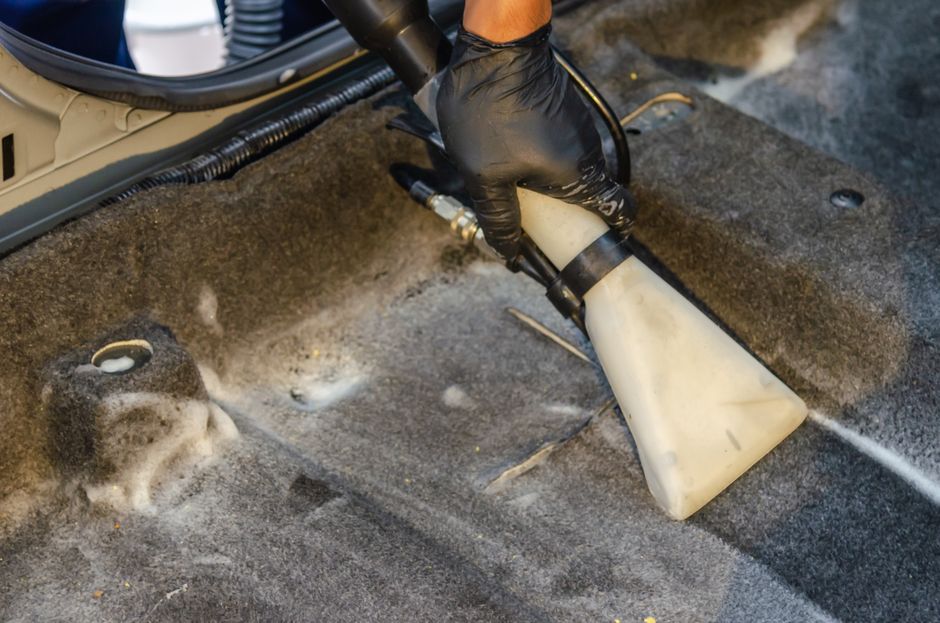
The undercarriage of a vehicle is often the most neglected area during winter, yet it is highly susceptible to salt accumulation. Salt spray kicked up by tires can coat brake lines, fuel lines, exhaust components, and subframe members. If left unchecked, this can lead to corrosion that may compromise both appearance and structural integrity over time. Regular undercarriage washing is a key practice to remove salt deposits before they can cause harm. Ideally, this should be done at least every two weeks, or more frequently if the vehicle is driven on heavily salted roads. Many commercial car washes offer undercarriage flush services, which use high-pressure nozzles to spray water underneath the vehicle. For those who prefer to wash at home, a dedicated undercarriage cleaner attachment for a pressure washer can be effective. It is important to use fresh water and to avoid directing high-pressure spray at sensitive components such as electrical connectors or seals. After washing, a brief drive can help dry the undercarriage and reduce the risk of rust formation in wet areas.
Best Practices for Winter Washing
Washing a vehicle in winter presents unique challenges, including frozen locks, icy driveways, and rapid recontamination. Choosing a mild day above freezing can make the process more comfortable and effective. Use a pH-neutral car wash soap that is designed to lift dirt and salt without stripping existing wax or sealant. Start from the top and work downward, rinsing the wash mitt or sponge frequently in a separate bucket of clean water to avoid reintroducing grit to the paint. For the undercarriage, a dedicated nozzle can be used to direct water at the underbody, wheel wells, and rocker panels. After washing, dry the vehicle with a soft microfiber towel or a filtered water spot-free rinse system to prevent water spots. If door locks or seals are frozen, a silicone-based lubricant can be applied to prevent sticking. It is also advisable to keep a spray bottle of de-icer or lock lubricant in the vehicle for emergencies. Remember that washing alone does not replace the need for a protective layer; combining regular washing with wax or sealant maintenance offers a more comprehensive approach.
Ceramic Coating Maintenance in Winter
Ceramic coatings have gained popularity for their durability and hydrophobic properties, but they are not maintenance-free. In winter, road salt and brine can gradually clog the coating’s surface, reducing its water-beading ability and making it more prone to staining. To maintain optimal performance, a periodic decontamination wash is recommended. This involves using a coating-specific shampoo and, if needed, a mild iron remover to dissolve embedded metallic particles. After washing, a coating booster or topper can be applied to rejuvenate the hydrophobic layer. It is important to follow the coating manufacturer’s guidelines for maintenance products, as some chemicals may be too aggressive for certain coatings. In severe winter conditions, a coating may require more frequent attention than in milder seasons. Even with a ceramic coating, the undercarriage should still be flushed regularly, as coatings are typically applied only to painted surfaces and not to the entire underbody. For those who have invested in a professional ceramic coating, such as those offered by Prime Detail, scheduling a mid-winter inspection can help identify any areas that may need attention. However, it is essential to recognize that no coating can completely prevent salt-related issues if regular cleaning is neglected.
When to Seek Professional Assistance
While many winter car care tasks can be performed by the vehicle owner, some situations may warrant professional help. If the vehicle has significant salt accumulation in hard-to-reach areas, or if there are signs of early corrosion, a professional detailer can assess the condition and recommend appropriate steps. Professional services may include a thorough undercarriage wash, paint decontamination, and reapplication of protective products. Additionally, if a ceramic coating is due for an annual inspection or boost, a certified installer can perform the necessary maintenance to uphold any warranty terms. It is advisable to research local detailing professionals and inquire about their winter maintenance packages. However, relying solely on professional services without regular at-home care may not be sufficient in regions with prolonged winter conditions. A combination of DIY efforts and periodic professional attention often yields the best results.
In conclusion, protecting a vehicle’s paint from road salt during winter involves a combination of preparation, regular maintenance, and situational awareness. Applying a durable wax or sealant before winter, performing frequent undercarriage washes, and maintaining ceramic coatings according to manufacturer guidelines are all practices that can help mitigate the effects of salt exposure. Each vehicle’s needs may vary based on climate, usage, and storage conditions, so tailoring a care routine to specific circumstances is advisable. By staying attentive to these factors, owners can support the longevity and appearance of their vehicle’s finish throughout the winter season.