Ceramic Coating vs. Wax: Which Lasts Longer?
When it comes to preserving a vehicle’s exterior, car owners often weigh the benefits of ceramic coatings against those of traditional wax. Both approaches aim to protect paint from environmental contaminants and enhance appearance, but they differ significantly in composition, application, and longevity. Understanding these differences is essential for making an informed decision that aligns with specific needs and circumstances.
This article examines the durability, protection capabilities, and cost considerations of ceramic coatings and wax. It does not endorse one option over the other, as the suitability of each depends on factors such as climate, usage patterns, and maintenance routines. Instead, it provides a neutral framework for evaluating which method may be more appropriate for a given situation.
By exploring how each product interacts with automotive paint and the variables that influence performance, readers can better assess the trade-offs involved. The following sections break down the key aspects without making absolute claims about outcomes, recognizing that results vary based on preparation, application, and ongoing care.
Understanding Ceramic Coatings and Traditional Wax
Ceramic coatings are liquid polymer products that chemically bond to a vehicle’s paint, forming a semi-permanent layer. They typically contain silicon dioxide (SiO2) or similar compounds, which create a hydrophobic surface that repels water and contaminants. Once cured, the coating becomes a rigid, glass-like film that resists environmental stressors. Application usually requires professional expertise, as improper techniques can lead to uneven coverage or high spots. The curing process may take several days, during which the vehicle should avoid moisture and harsh conditions.
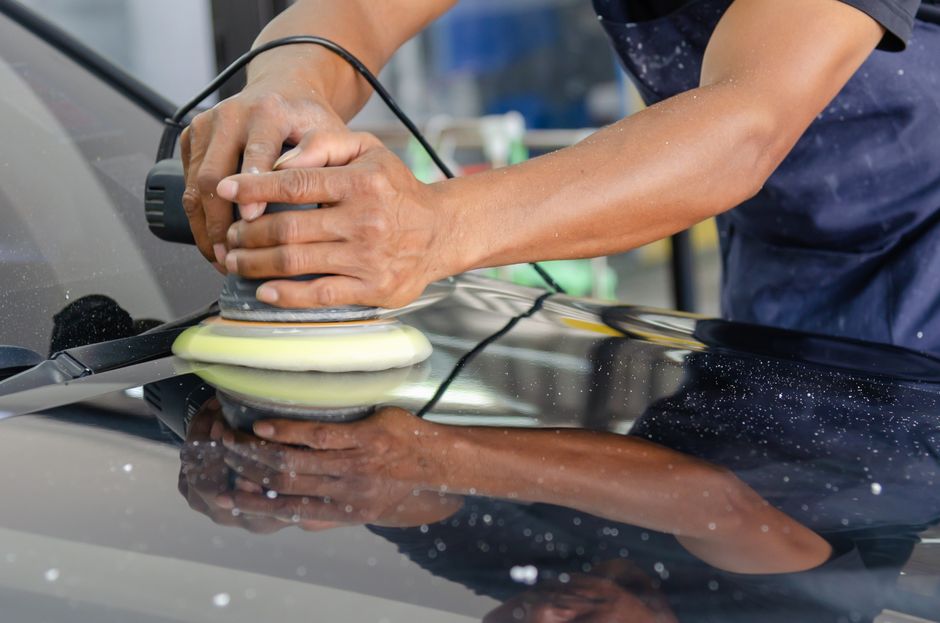
Traditional wax, by contrast, is a natural or synthetic substance applied as a top layer over paint. Carnauba wax, derived from palm leaves, is a common natural option, while synthetic waxes (often called paint sealants) use polymers for enhanced durability. Wax is typically applied by hand or machine, buffed to a shine, and does not chemically bond with paint; it sits on the surface. This makes it easier to apply and remove, but also means it degrades more quickly when exposed to elements.
The fundamental difference lies in bonding and structure. Ceramic coatings integrate with the paint at a molecular level, offering a more permanent barrier, while wax forms a sacrificial layer that wears away over time. Neither approach is inherently superior; rather, they cater to different priorities regarding maintenance frequency, upfront investment, and desired level of protection.
Durability: How Long Does Each Last?
Durability is a primary point of comparison. Ceramic coatings are known for their longevity, often lasting from two to five years or more, depending on the product quality, application process, and environmental exposure. Some professional-grade coatings claim even longer durations, though real-world performance varies with factors like UV intensity, road salt, and washing habits. The chemical bond helps the coating resist degradation from sunlight, acid rain, and detergents, but it is not indestructible; physical abrasion or harsh chemicals can still diminish its effectiveness.
Wax, on the other hand, typically lasts from a few weeks to a few months. Natural carnauba waxes tend to have shorter lifespans, often requiring reapplication every four to eight weeks, while synthetic sealants may last up to six months. Durability is influenced by climate, parking conditions (garage vs. outdoor), and washing frequency. In harsh environments with intense sun or frequent rain, wax may degrade faster.
It is important to note that longevity claims are not guarantees. Even ceramic coatings require periodic maintenance, such as gentle washing and occasional inspections, to ensure they remain intact. Wax users must be prepared for more frequent reapplication to maintain consistent protection. The choice often comes down to willingness to perform regular upkeep versus a higher initial investment for longer intervals between services.
Protection: What Each Method Guards Against
Both ceramic coatings and wax provide protection against environmental contaminants, but the degree and nature of that protection differ. Ceramic coatings create a hydrophobic surface that repels water, making it harder for dirt, bird droppings, and tree sap to adhere. This can simplify cleaning and reduce the risk of etching from acidic substances. The coating also offers some resistance to UV rays, which can fade paint over time, and minor scratches from washing or light abrasion. However, it does not make paint impervious to rock chips or deep scratches.
Wax also repels water and contaminants, but its protective layer is thinner and less durable. It can provide a glossy finish that enhances color depth, and some waxes include UV inhibitors to slow fading. Yet, because wax sits on the surface, it can be easily removed by harsh detergents or mechanical action. It offers limited resistance to chemical etching and does not fill or hide existing scratches as effectively as some ceramic coatings.
Neither product eliminates the need for proper washing and care. In fact, both can trap dirt if not maintained, potentially leading to scratches during cleaning. Ceramic coatings may require specific maintenance products to avoid clogging the pores of the coating, while wax can be stripped by certain soaps. The level of protection also depends on surface preparation; applying either product over contaminated paint can reduce performance and durability.
Cost Considerations: Upfront and Ongoing
Cost is a significant factor in the decision-making process. Ceramic coatings generally involve a higher upfront expense due to the cost of the product and professional application. Depending on the vehicle size and coating type, prices can range from several hundred to over a thousand dollars. This investment covers paint correction (often necessary before coating), the coating itself, and labor. Some detailers offer maintenance plans that add to the overall cost.
Wax is considerably cheaper upfront. A high-quality wax or sealant may cost between $20 and $100, and application can be a do-it-yourself project, saving on labor. However, the lower initial cost is offset by the need for frequent reapplication. Over a few years, the cumulative cost of wax, applicators, and time spent could approach that of a ceramic coating, especially if professional application is chosen for the coating.
It is also worth considering the value of time. Ceramic coatings require less frequent maintenance, which may be appealing to those with limited availability. Wax enthusiasts may enjoy the hands-on process and the immediate satisfaction of a freshly waxed car. Neither approach is universally more cost-effective; the economic comparison depends on how one values longevity, convenience, and personal involvement.
Making an Informed Decision
Choosing between ceramic coating and wax involves assessing individual priorities, vehicle usage, and environmental conditions. Ceramic coatings may be preferable for those seeking long-term protection with minimal maintenance, while wax could suit those who prefer a lower initial cost and enjoy regular detailing. It is also possible to combine methods, such as using a ceramic coating as a base and wax as a topper for added gloss, though this requires compatibility checks.
Professional consultation can provide tailored insights, as factors like paint condition, climate, and driving habits influence performance. Companies like Prime Detail offer services that include paint evaluation and coating application, helping customers understand the potential benefits and limitations. However, no product can guarantee specific results, as outcomes depend on multiple variables including preparation, application quality, and ongoing care.
Ultimately, the decision should be based on a clear understanding of the trade-offs. Regular washing, avoiding harsh chemicals, and addressing contaminants promptly can extend the life of any protective measure. Whether one chooses ceramic coating or wax, consistent maintenance remains the cornerstone of preserving a vehicle’s exterior.